Industrial Facility
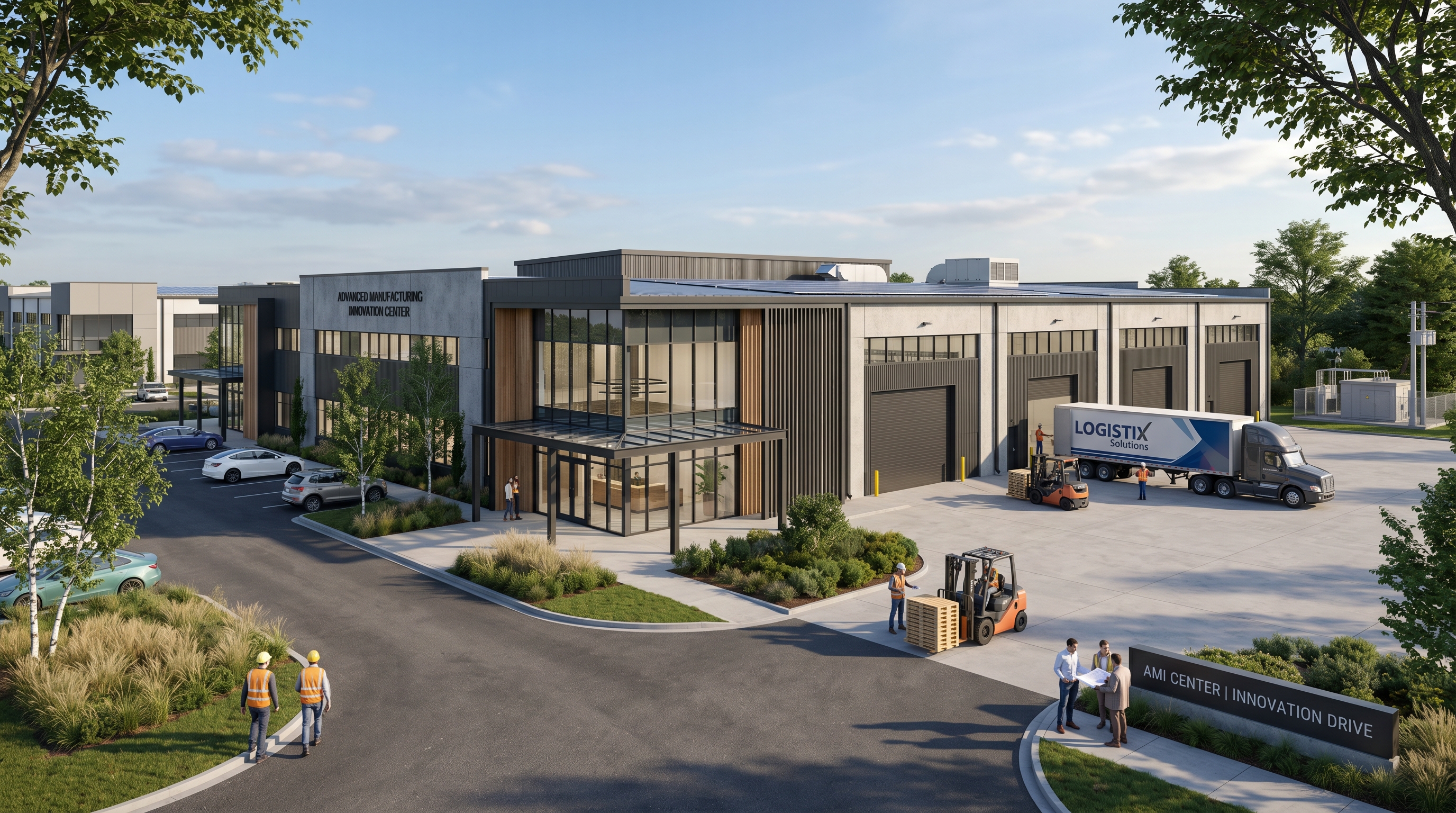
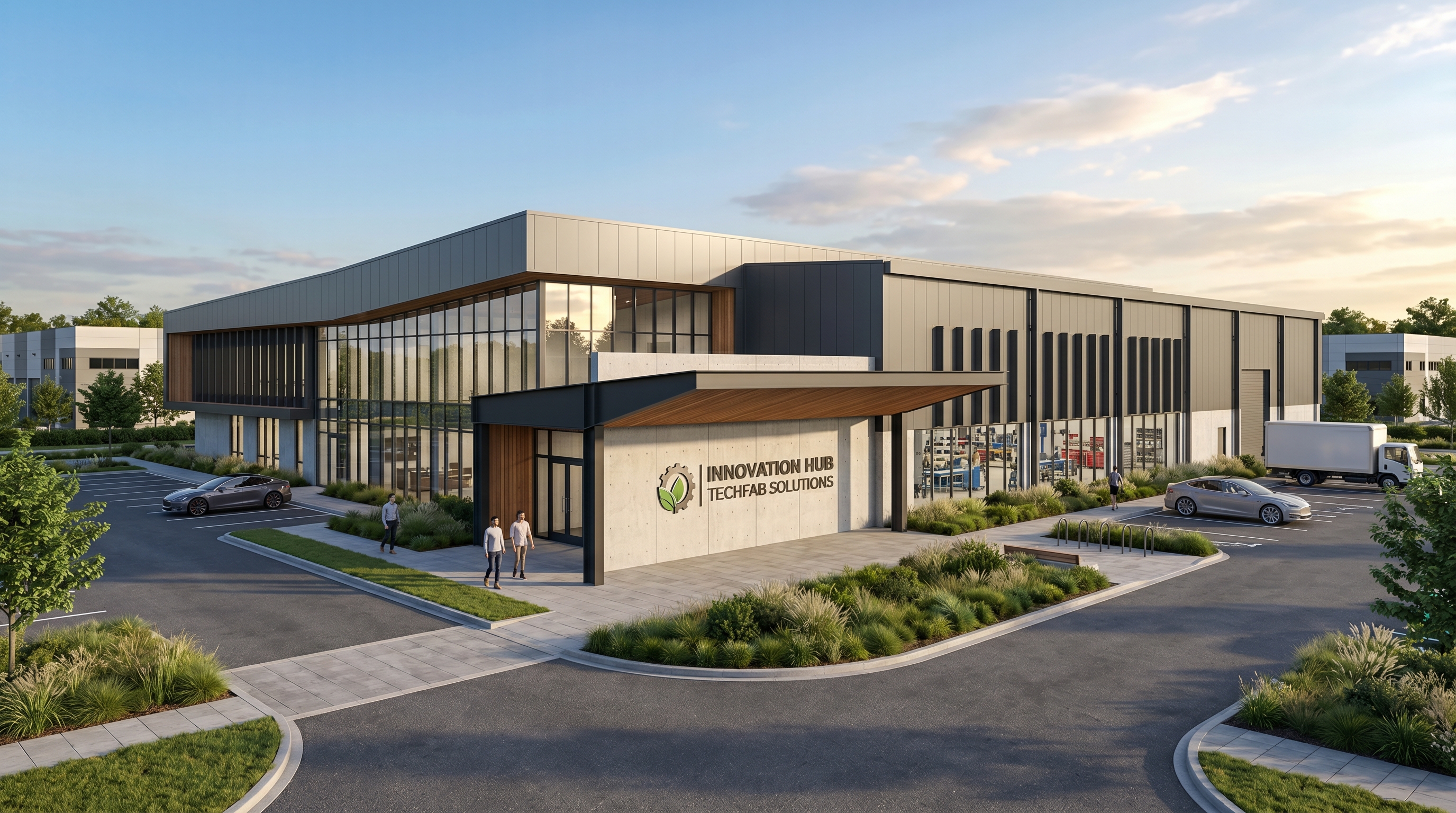
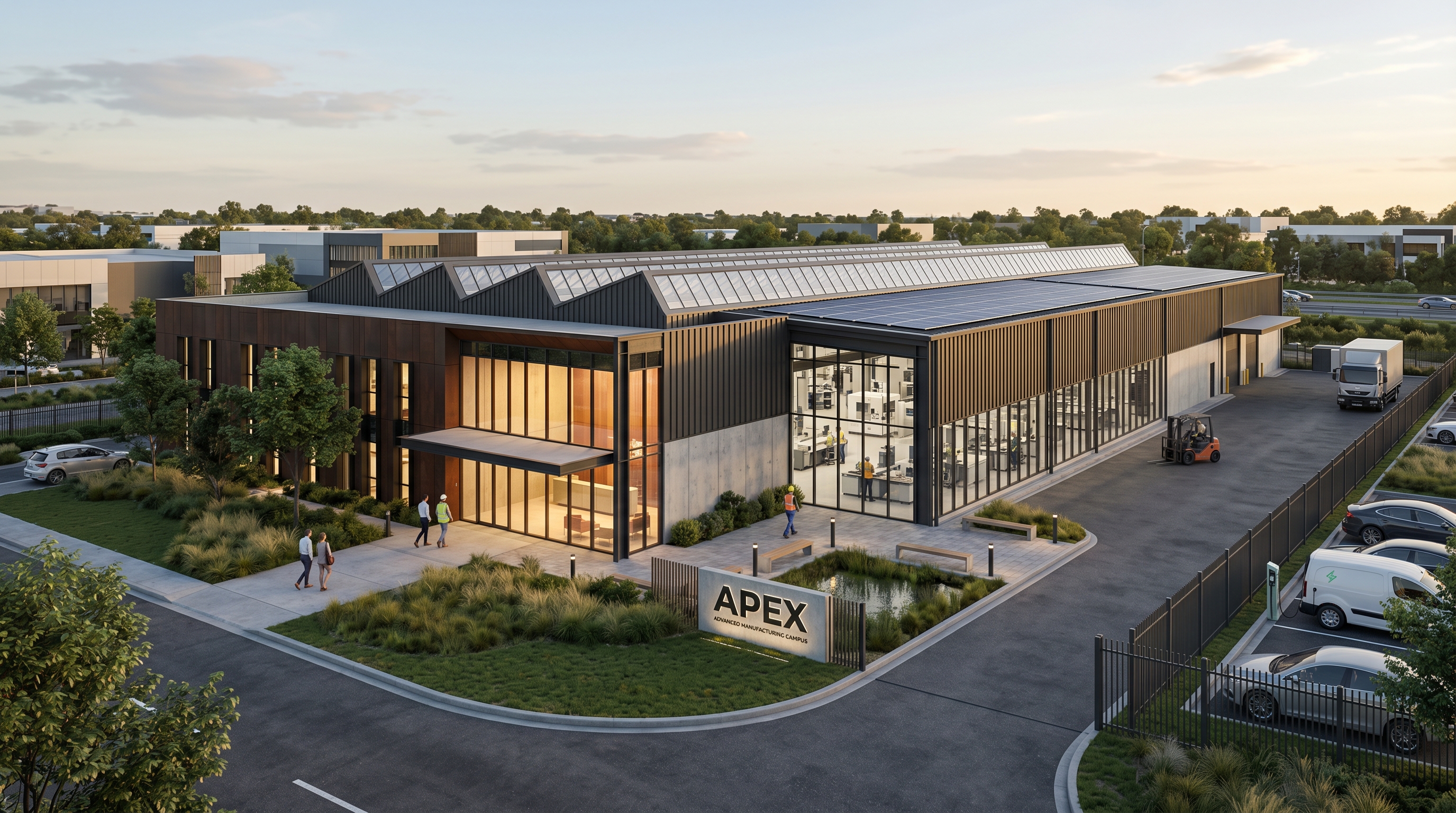
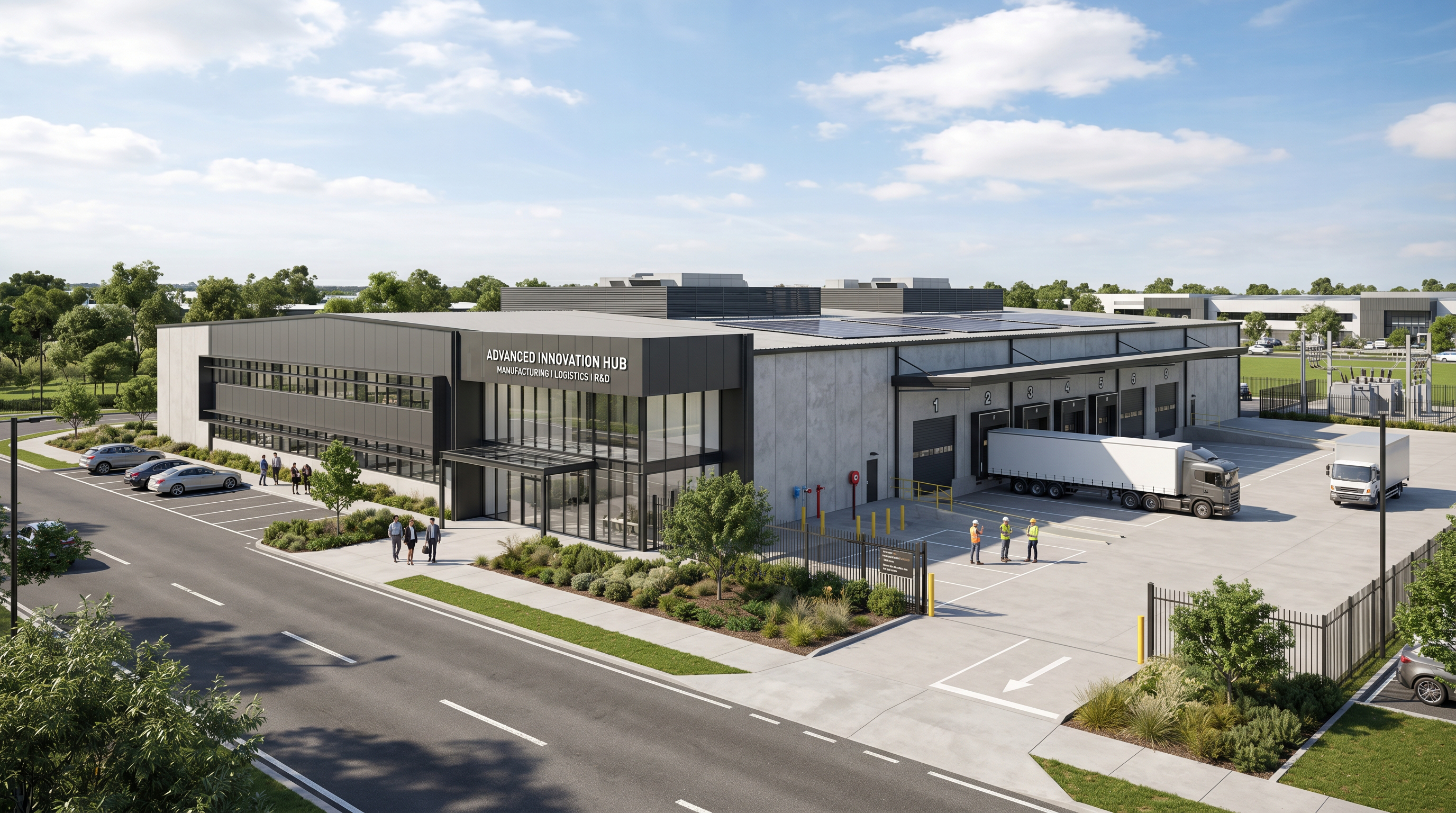
Industrial facility projects are driven by performance, efficiency, and long-term operational value. They typically prioritize clear spans, loading access, truck circulation, durable envelopes, high-bay storage potential, and flexible layouts that can support warehousing, logistics, manufacturing, food production, or light industrial uses. For owners and occupiers, they offer efficient operations, scalable space, and strong functional value over time.
In Toronto and the GTA, this sector remains important even as the market rebalances. Recent reports show GTA industrial availability ended 2025 around 4.8% to 5.0%, while positive absorption, slower new construction, and the region’s ongoing need for logistics and employment space continue to support long-term fundamentals. Toronto’s employment lands also remain strategically important, supporting 25% of all jobs and 30% of business establishments citywide.


Frequently Asked Questions
_edited.png)
01
How long does an industrial facility project usually take?
Many projects take about 12–24 months, depending on approvals, servicing, and building complexity.
A rough GTA benchmark is about C$115–175 per sq. ft. for a basic warehouse shell; more complex light-manufacturing or distribution facilities can be much higher.
How much does an industrial facility project cost?
02
Often yes, if zoning, servicing, circulation, and building condition support the intended use.
Sites with strong truck access, servicing capacity, yard space, and proximity to highways or logistics routes are usually strongest.
Can an older industrial property be expanded or redeveloped?
04
What kind of site works best for an industrial facility?
03
Yes, though demand is more selective than before; modern, well-located space remains attractive.
Clear height, slab strength, loading docks, fire protection, power needs, and site servicing are major cost drivers.
Are industrial facilities still in demand in the GTA?
06
What usually drives cost in this type of project?
05
Logistics, warehousing, distribution, and selected manufacturing users remain central to demand.
Fire protection, sprinkler systems, hazardous processes, truck movement, and water-damage risk are key concerns.
What types of industrial users are most active today?
08
What do insurers pay close attention to in industrial projects?
07