Restaurant/Coffee Shop
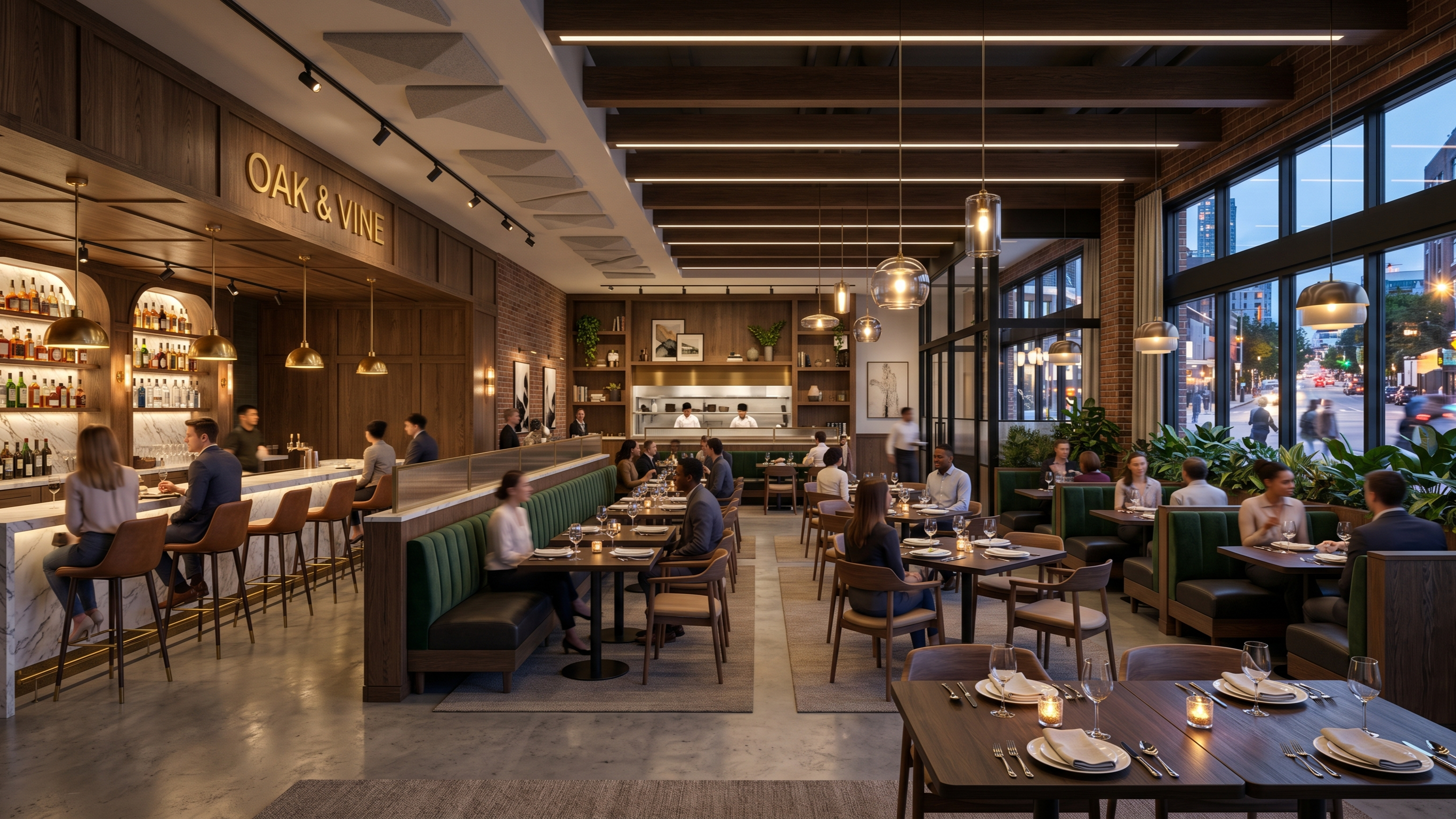
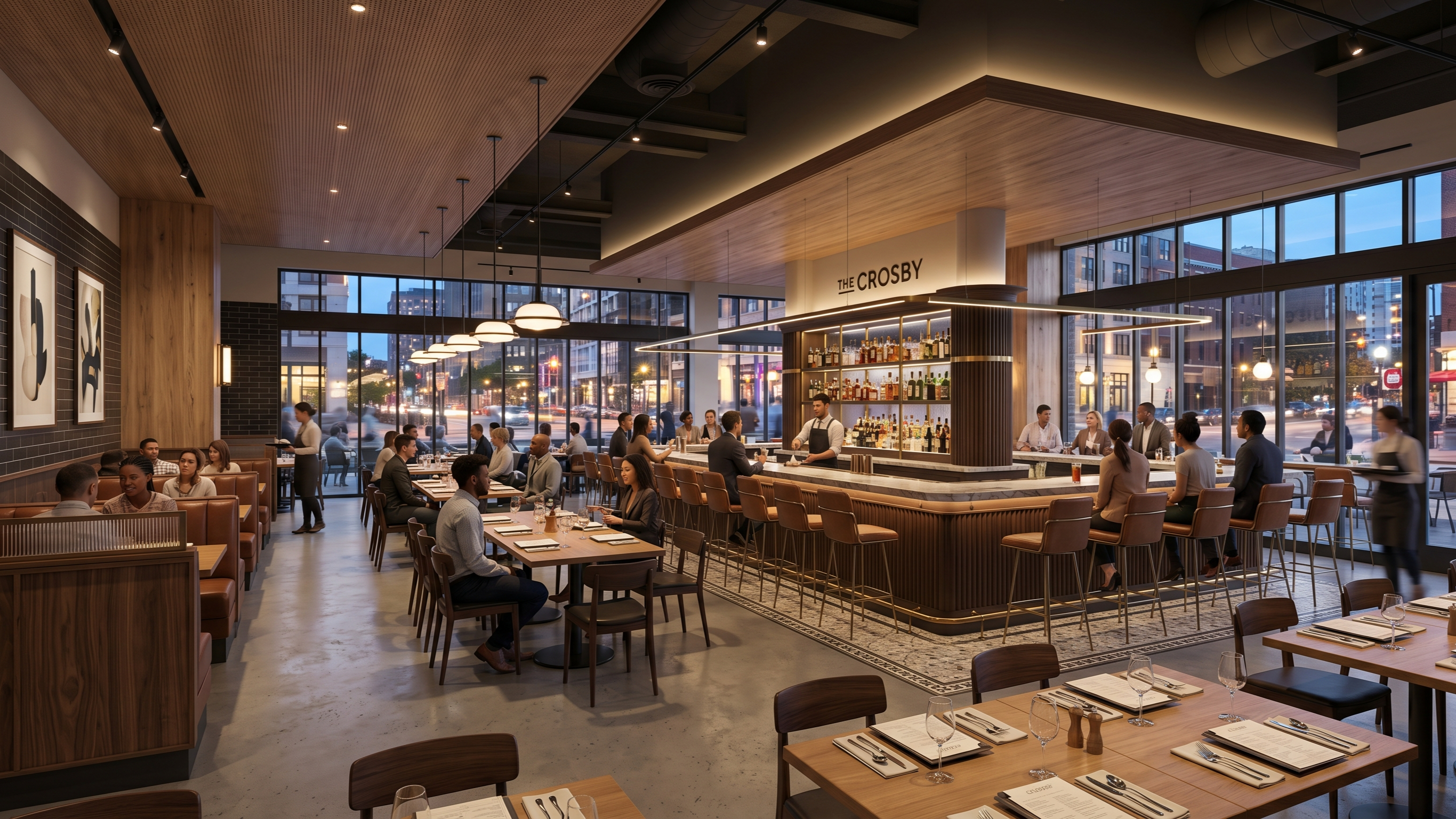
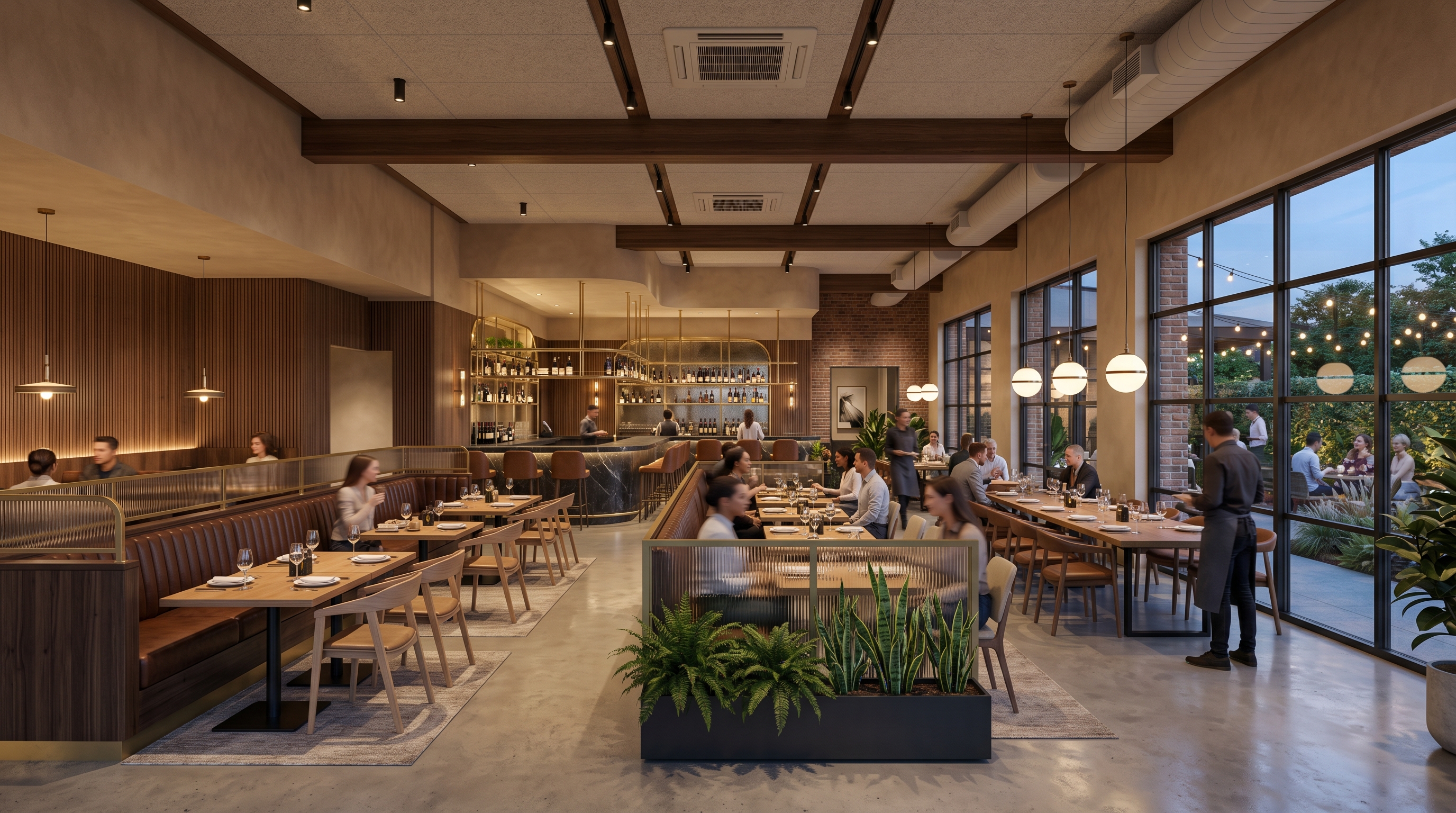
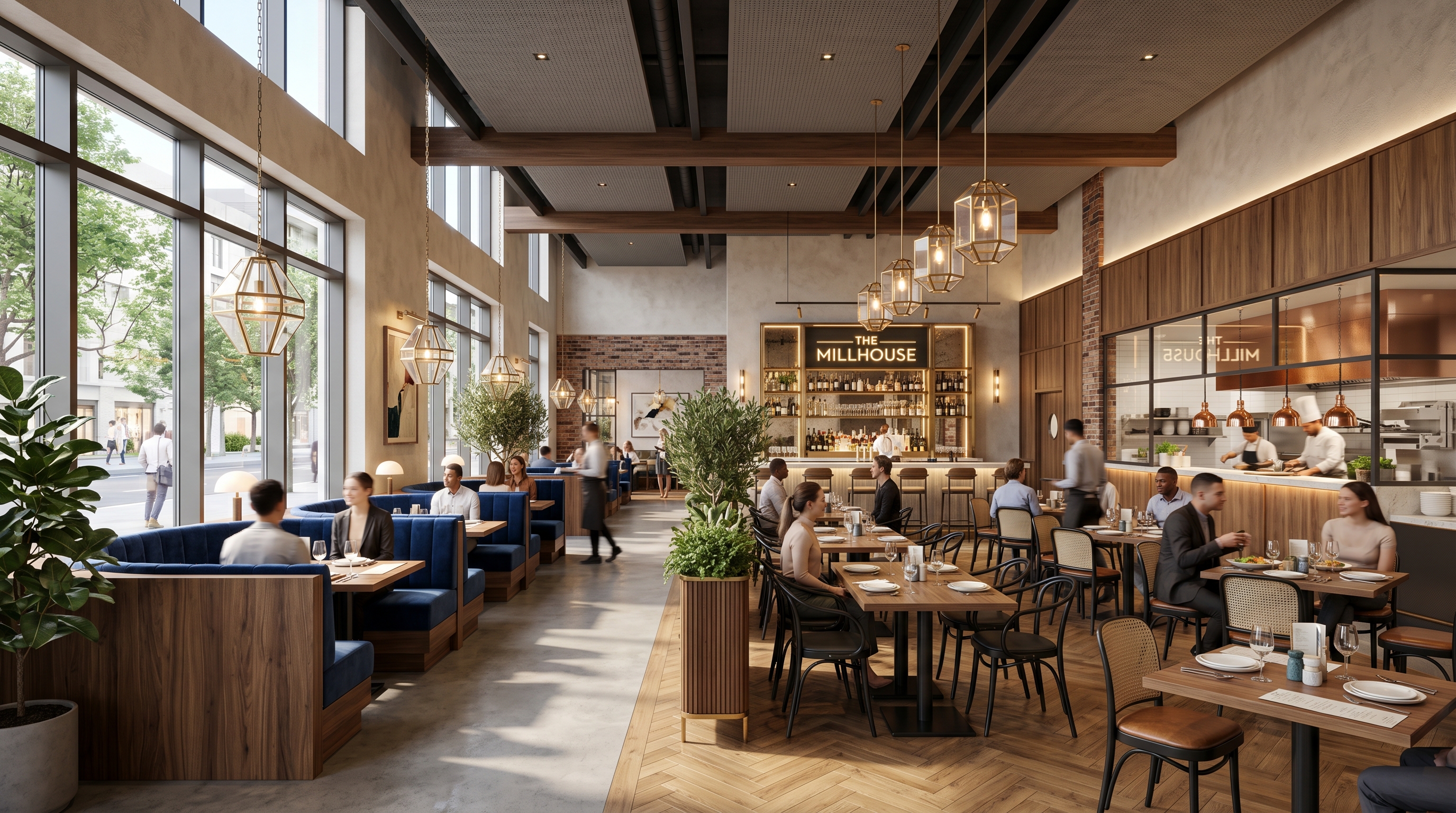
Restaurant and coffee shop projects are shaped by experience, brand identity, and operational efficiency. Successful spaces balance customer flow, seating, service counters, kitchen or bar functions, visibility, and atmosphere, while also addressing ventilation, washrooms, accessibility, and fast, durable construction. For owners and landlords, they can activate a site, increase foot traffic, and strengthen the appeal of a retail plaza, main street, or mixed-use development.
In Toronto, this project type remains highly relevant. The City updated its restaurant-related licensing and zoning rules effective January 1, 2025 to modernize requirements and support business activity, while current retail reports note healthy tenant demand, constrained supply, and especially strong demand for move-in-ready restaurant space as operators seek cost certainty.


Frequently Asked Questions
_edited.png)
01
How long does a restaurant or coffee shop project usually take?
A typical fit-out often takes about 4–8 months, depending on approvals, scope, and equipment needs.
A practical early benchmark is often about C$250–$450 per sq. ft. for base building shell plus interior fit-out, but higher-end concepts can exceed that.
How much does a restaurant or coffee shop project cost?
02
Visibility, foot traffic, parking or transit access, and the surrounding tenant mix are usually key.
Often yes, but zoning, ventilation, plumbing, grease management, and accessibility must all be checked first.
What location factors matter most for this type of project?
04
Can an existing retail unit be converted into a restaurant or café?
03
Kitchen equipment, HVAC and exhaust, plumbing, electrical upgrades, and finish quality are major cost drivers.
Because existing kitchen infrastructure can reduce cost, shorten timelines, and improve budget certainty.
What usually drives cost in this type of project?
06
Why do second-generation restaurant spaces lease faster?
05
Yes - current retail reporting shows healthy demand, especially for well-located and ready-to-occupy space.
Fire suppression, cooking exhaust systems, water risks, maintenance, and overall life-safety compliance.
Are restaurant and coffee shop projects still in demand in Toronto?
08
What do insurers usually pay close attention to?
07