Mid-rise Rental Apartment
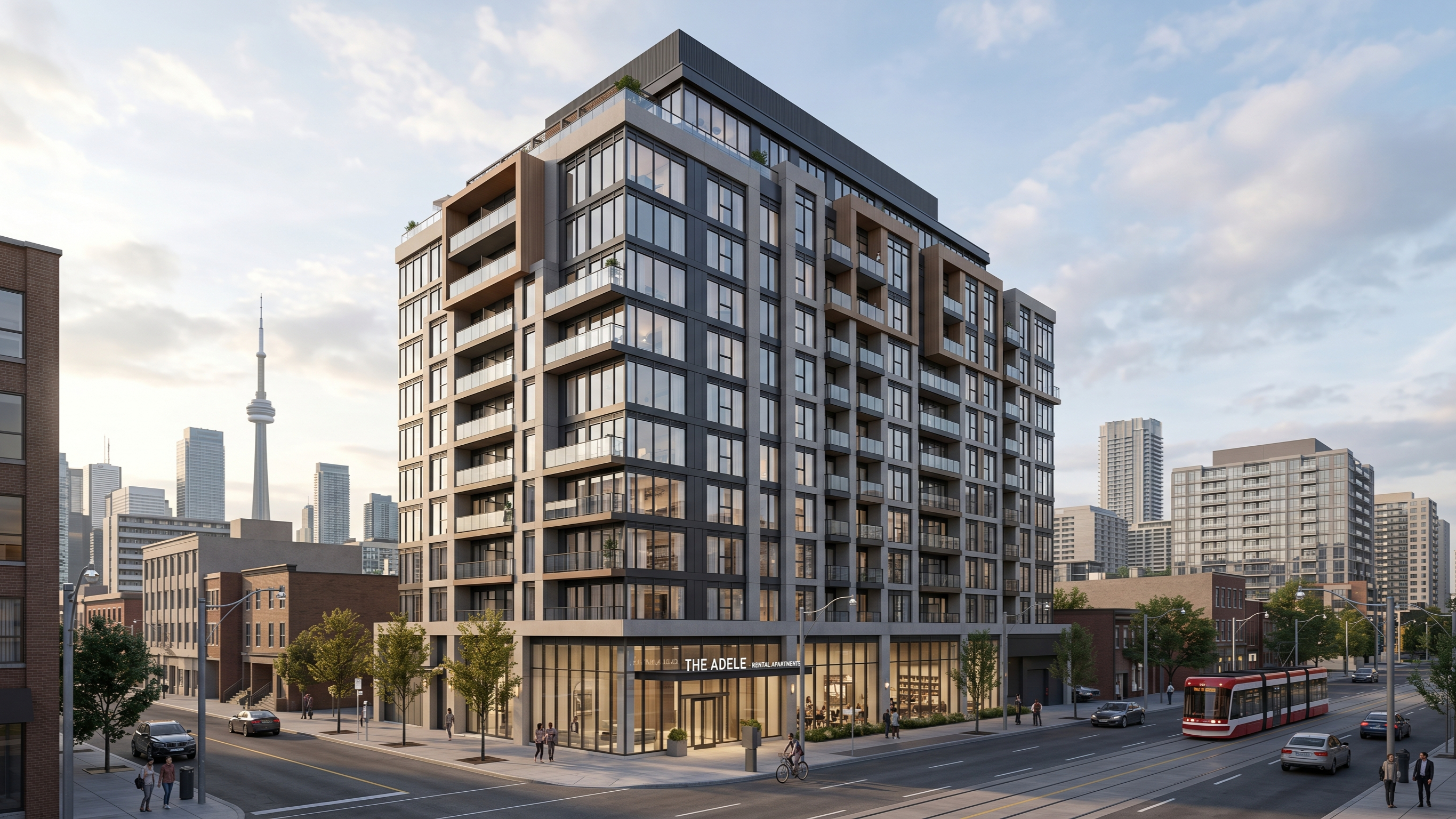
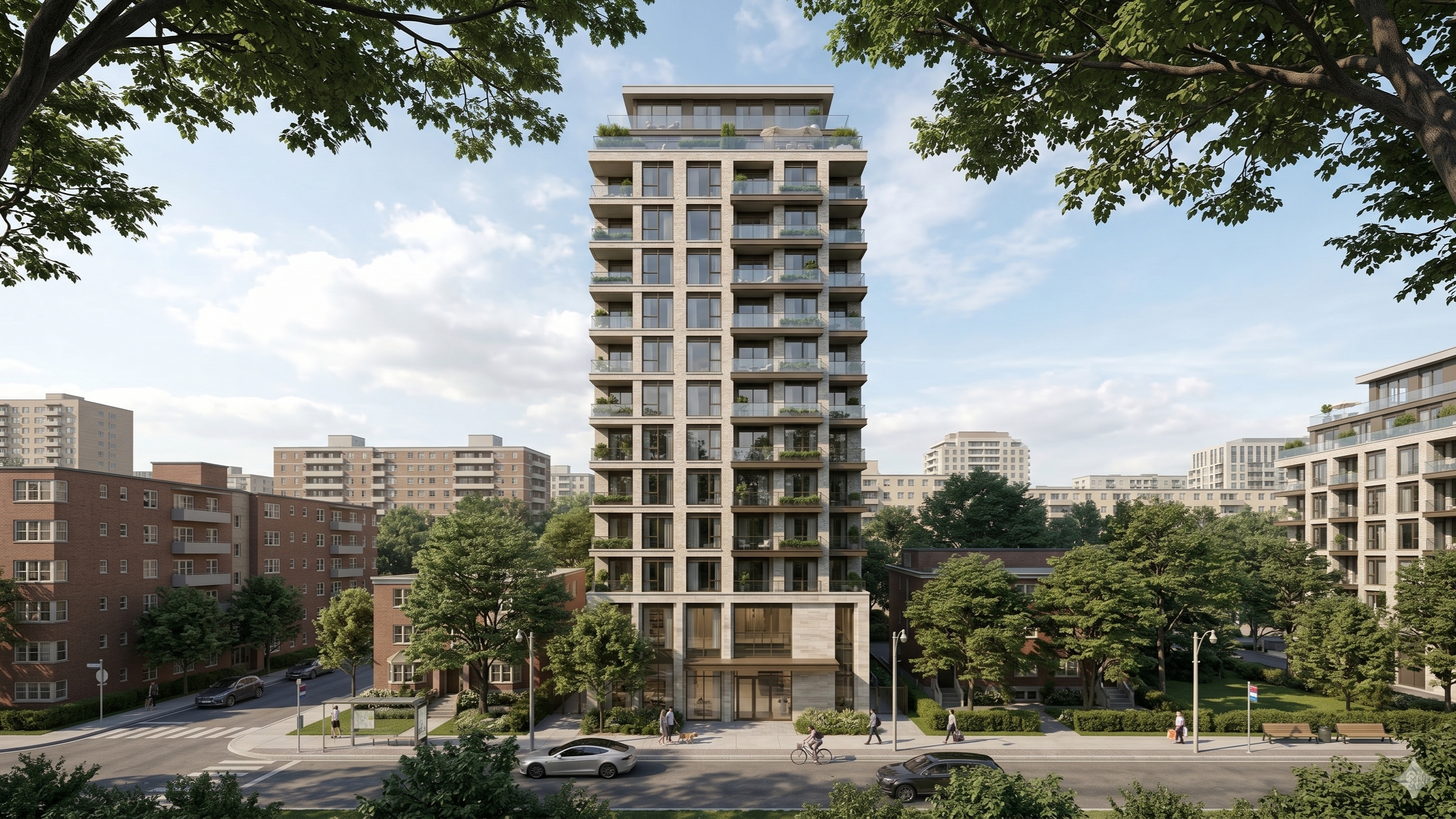
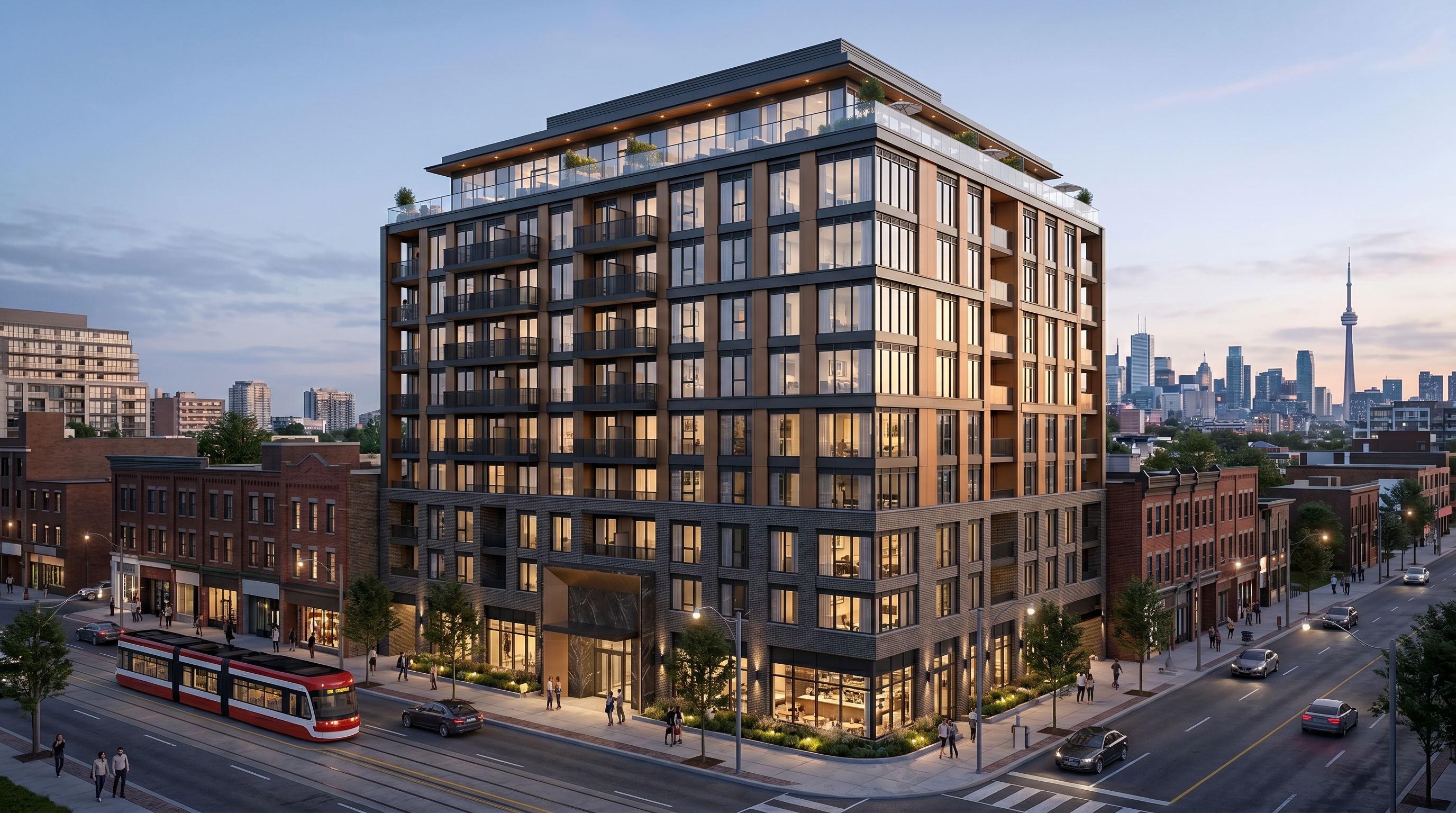
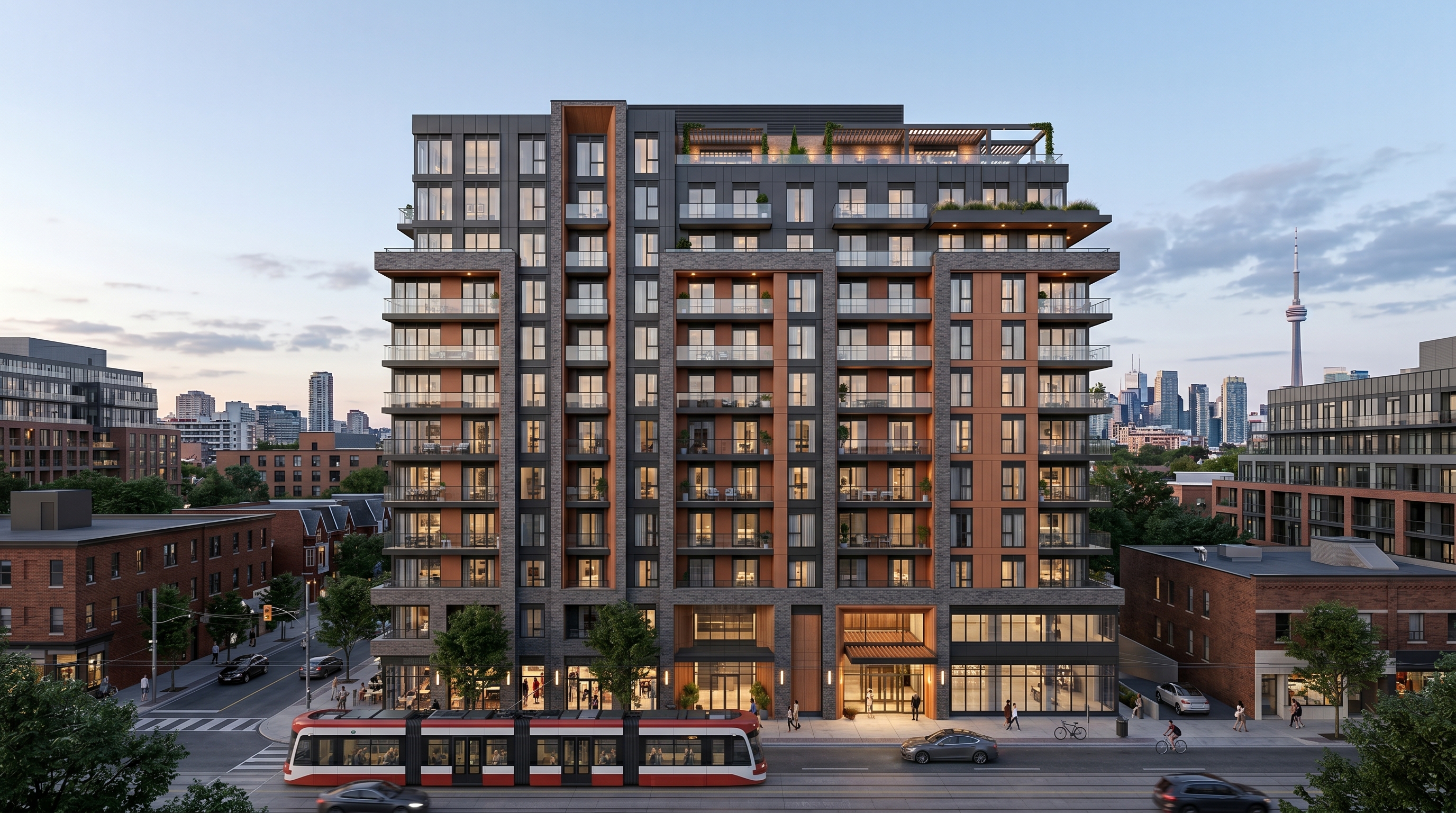
Mid-rise rental apartment projects offer an efficient balance between density, livability, and neighbourhood fit. They typically provide well-planned suites, street-oriented retail or amenity space where appropriate, efficient circulation, and a scale that integrates comfortably along urban corridors and established communities. Their benefits include stable long-term income, strong land use efficiency, and the ability to deliver high-quality rental housing without the scale of a high-rise.
In Toronto, this project type remains highly relevant. The City has continued updating its mid-rise framework to support growth along Avenues and complete communities, while broader housing data show rental supply has been a major driver of recent housing starts as condo pipelines weaken. That combination is making well-located purpose-built rental and mid-rise apartment projects increasingly attractive for developers, investors, and property owners looking for resilient, long-term urban housing opportunities.


Frequently Asked Questions
_edited.png)
01
How long does a mid-rise rental apartment project usually take?
Most projects take about 18–30 months, depending on approvals, site conditions, and construction scale.
In the GTA, a practical early-stage benchmark is about C$290–$390 per sq. ft. in hard construction costs for a typical up-to-12-storey apartment building, before land, soft costs, financing, and municipal charges; higher-end design can add a premium.
How much does a mid-rise rental apartment project cost?
02
Often yes, if zoning, lot dimensions, access, and servicing can support added density.
Sites on urban corridors, transit streets, or underused commercial lots are often strong candidates.
Can an existing low-rise or commercial property be redeveloped into this type?
04
What kind of site is suitable for a mid-rise rental apartment?
03
Parking strategy is critical and should respond to transit access, market demand, and municipal requirements.
A balanced mix of one-bed, two-bed, and family-friendly units usually supports broader rental demand.
How important is parking in this type of project?
06
What unit mix works best in a mid-rise rental building?
05
Many projects stabilize after leasing is substantially complete and occupancy performance becomes consistent.
Common issues include height, setbacks, angular planes, shadow, traffic, and servicing capacity.
When does a rental apartment project usually become stabilized?
08
What are the main approval issues for mid-rise rental projects?
07